
Reading the Performance Label
Windows certified by the National Fenestration Rating Council carry a label that lists several ratings.
- U-factor measures how well a window prevents heat from escaping or entering. Lower numbers indicate better insulation.
- Solar Heat Gain Coefficient (SHGC) measures how much of the sun's heat passes through. In hot climates, a lower SHGC helps reduce cooling loads; in cold climates, a higher value may be useful for passive heating.
- Visible Transmittance indicates how much daylight comes through.
- Air leakage shows how much air passes through the window assembly.
Glass and Frame Options
Double-pane insulated glass is common, and triple-pane units are available for very cold regions or noisy locations. Low-emissivity coatings reflect heat while allowing light through, and gas fills such as argon improve insulation. Frame materials include vinyl, fiberglass, wood, aluminum and composites, each with different costs, maintenance needs and thermal performance. Aluminum frames conduct heat unless they have thermal breaks.
Match the Window to Your Climate
Choose ratings that suit your region. Homes in warm, sunny areas often benefit from low SHGC glass, while those in cold climates prioritize low U-factors. Southern and western exposures may need different glass than north-facing windows in the same house.
When Replacement Makes Sense
- Frames are rotted, warped or no longer operate.
- Glass seals have failed and the units are foggy between the panes.
- Single-pane windows cause noticeable drafts or high energy use.
- You want better sound control or improved security.
Lower-Cost Alternatives
Weatherstripping, caulking, storm windows, window films, cellular shades and exterior shading can improve performance for much less. In many homes, sealing air leaks and improving attic insulation provide a faster payback than replacing windows. Replacement is often justified more by comfort, condition and appearance than by energy savings alone.
Installation Matters
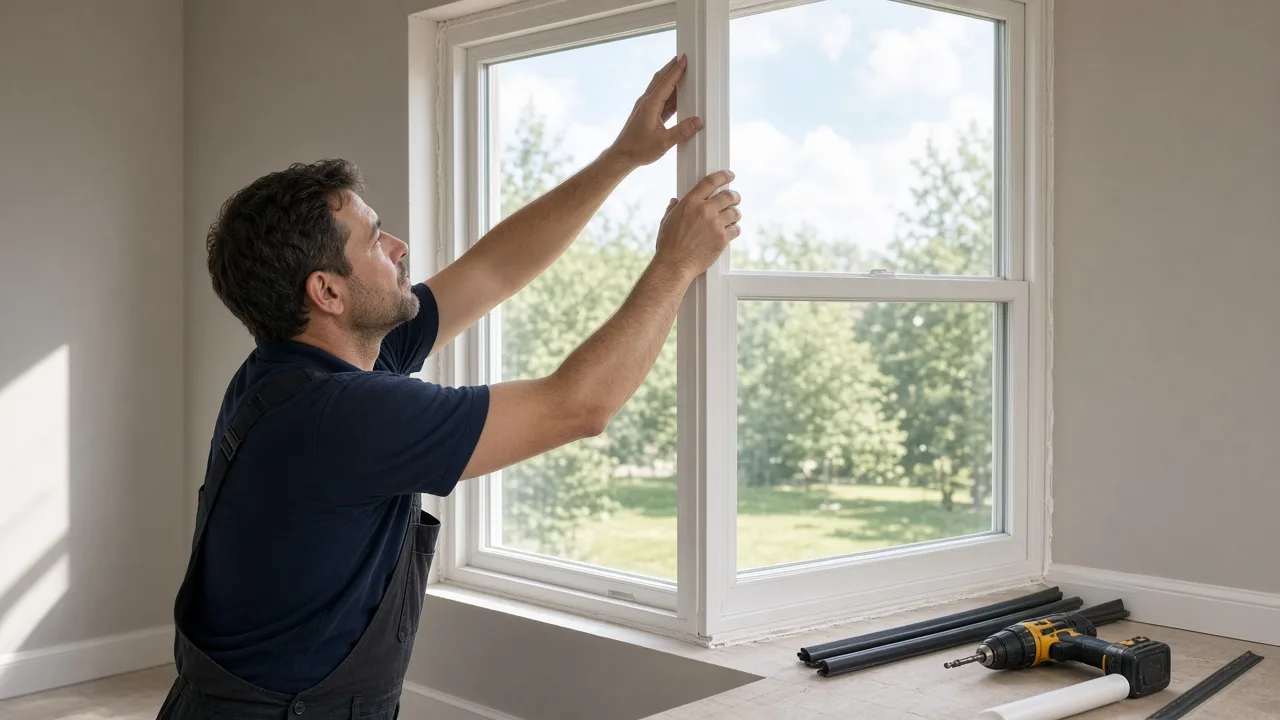
Even a high-performance window will underperform if it is improperly installed. Proper flashing, sealing and insulation around the frame prevent leaks and air infiltration. Ask the installer about the flashing method, and check whether the manufacturer's warranty requires certified installation.
Questions to Ask Before You Buy
Ask for the NFRC label values for every window you are considering, the warranty length for glass, frames and hardware, and whether the warranty transfers to a future owner. Ask how the installer handles lead-safe practices if your home was built before 1978, and whether permits are required. Get a written scope that covers removal, disposal, interior trim and exterior finish. Comparing these details across several quotes often reveals more than comparing price alone.
Look for Incentives
Utilities and government programs sometimes offer rebates or tax credits for qualifying windows. Verify current eligibility rules before you buy, since programs change.
p>