
Phase 1: Planning and Design (2 to 6 Weeks or More)
Decide what you want to change: layout, fixtures, tile, vanity, lighting and ventilation. Measure the space and set a budget with a contingency. Meet with contractors, request written bids and check licenses and insurance. Choose major materials early.
Phase 2: Ordering and Permits
Order items such as vanities, tubs, glass and special tile, which can take weeks to arrive. Your contractor will usually pull permits if the project involves plumbing, electrical or structural work.
Phase 3: Demolition (1 to 3 Days)
Old fixtures, tile and flooring are removed. Demolition often reveals hidden issues such as rot, mold or outdated pipes that must be addressed before moving on.
Phase 4: Rough-In Work (3 to 7 Days)
Plumbers and electricians move or install supply lines, drains, wiring and exhaust fans. Framing changes are made at this stage. Inspections may be required before walls are closed.
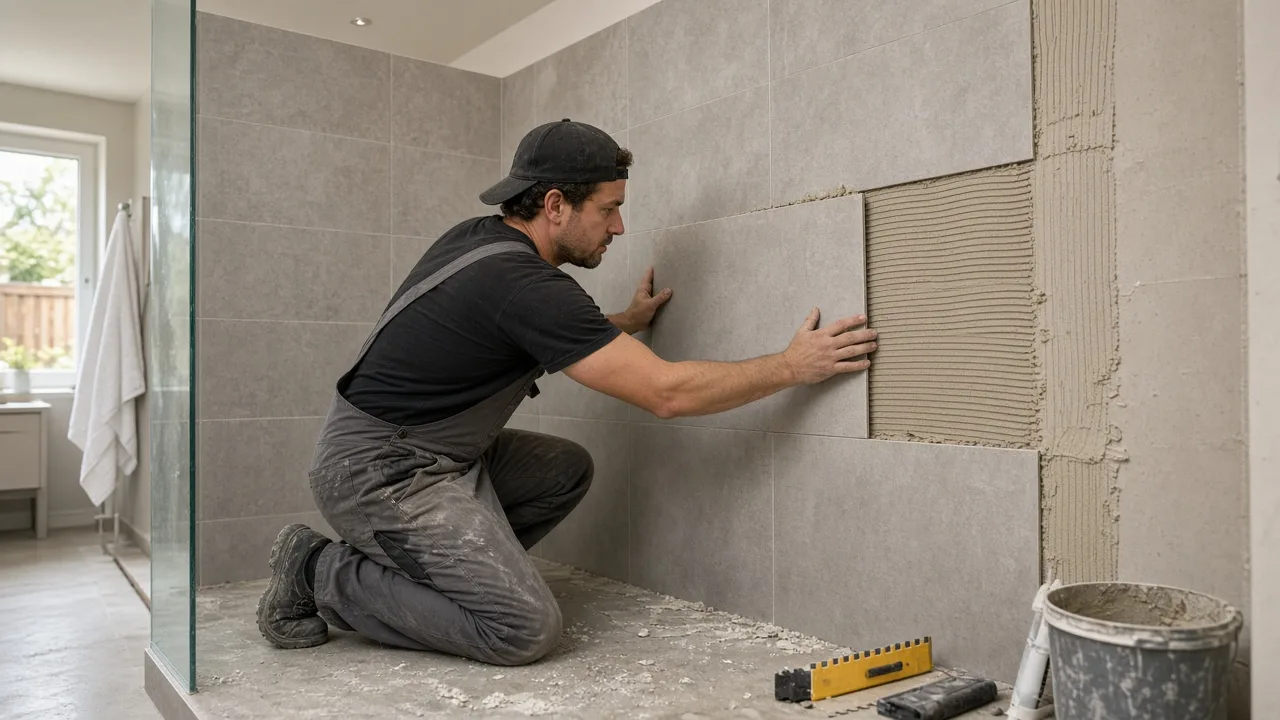
Phase 5: Walls, Waterproofing and Tile (1 to 2 Weeks)
Drywall or cement board is installed, and shower areas are waterproofed and tested. Waterproofing is critical and should not be rushed. Tile is set and grouted, and needs curing time.
Phase 6: Finishes (3 to 7 Days)
- Painting and trim.
- Installing the vanity, countertop and toilet.
- Mounting glass shower doors, which are often made to measure after tile is complete.
- Fixtures, lighting and accessories.
Phase 7: Final Inspection and Punch List
Walk through the room with your contractor and note any touch-ups. Verify that water pressure, drainage, ventilation and lighting work properly. Keep warranty documents and care instructions.
Tips to Avoid Delays
- Finalize all selections before demolition.
- Confirm delivery dates for long-lead items.
- Plan an alternate bathroom or temporary arrangements.
- Communicate with your contractor on a regular schedule.
- Keep a contingency for surprises behind the walls.
With realistic expectations and careful preparation, a bathroom renovation can be completed smoothly and give you a space you enjoy for years.
One more tip: ask your contractor for a written schedule with milestones, and agree in advance how changes will be priced and approved. Clear communication from the start keeps projects on track and prevents misunderstandings about cost and timing.
p>