
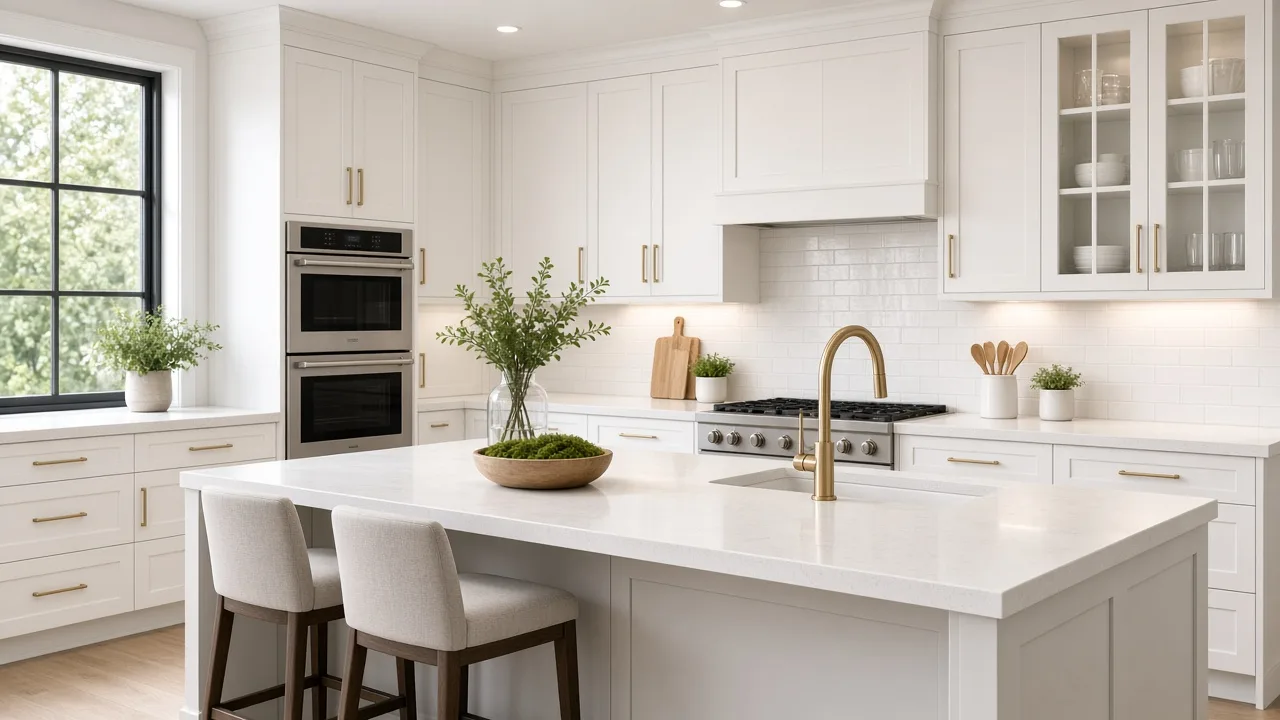
Cabinets and Hardware
Cabinetry is usually the largest single expense, often a quarter to a third of the total budget. Stock cabinets cost less, semi-custom offer more options, and fully custom cabinets cost the most. Refacing or painting existing cabinets can be an economical alternative if the layout works.
Labor and Installation
Labor commonly accounts for a fifth to a third of the budget. It includes demolition, carpentry, plumbing, electrical work, drywall, painting and tile. Complex layout changes, such as moving plumbing or removing a wall, increase labor costs.
Appliances
Appliances can range from basic packages to professional-grade models. Set a budget early and check dimensions and utility requirements, such as gas lines and ventilation, before you buy.
Countertops
Laminate, butcher block, quartz, granite and solid-surface materials vary greatly in price and maintenance. Quartz is popular for durability, while natural stone needs sealing. Ask for the installed price, including cutouts and edges.
Flooring, Lighting and Backsplash
Choose flooring that handles spills and heavy use. Layer lighting with overhead, under-cabinet and task lights. A tile backsplash adds personality at a relatively modest cost.
Permits and Surprises
Permits may be required for electrical, plumbing and structural changes. Hidden problems, such as outdated wiring or water damage behind walls, are common in older homes, so set aside a contingency of 10 to 20 percent.
Smart Ways to Save
- Keep the existing layout to avoid moving plumbing and gas lines.
- Mix high and low: splurge on items you touch daily and economize elsewhere.
- Reuse quality cabinet boxes and update doors and hardware.
- Get at least three written bids from licensed contractors.
- Order materials early to avoid delays that raise labor costs.
Plan Before You Demolish
Finalize selections before work starts, since changes mid-project are expensive. Agree on a payment schedule tied to progress, a written scope and a timeline. A well-planned kitchen should work for how you cook and live, not just look good.
Finally, think about how you actually use the kitchen. Consider who cooks, how many people are in the room at once, where you prep and where you store everyday items. Layout decisions that support those habits, such as clear landing space beside the stove and refrigerator, often matter more than any single expensive finish.
p>